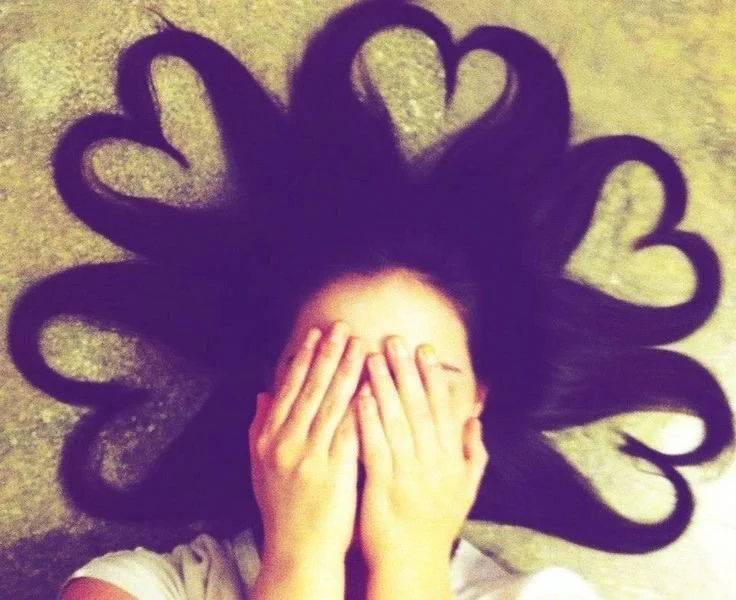
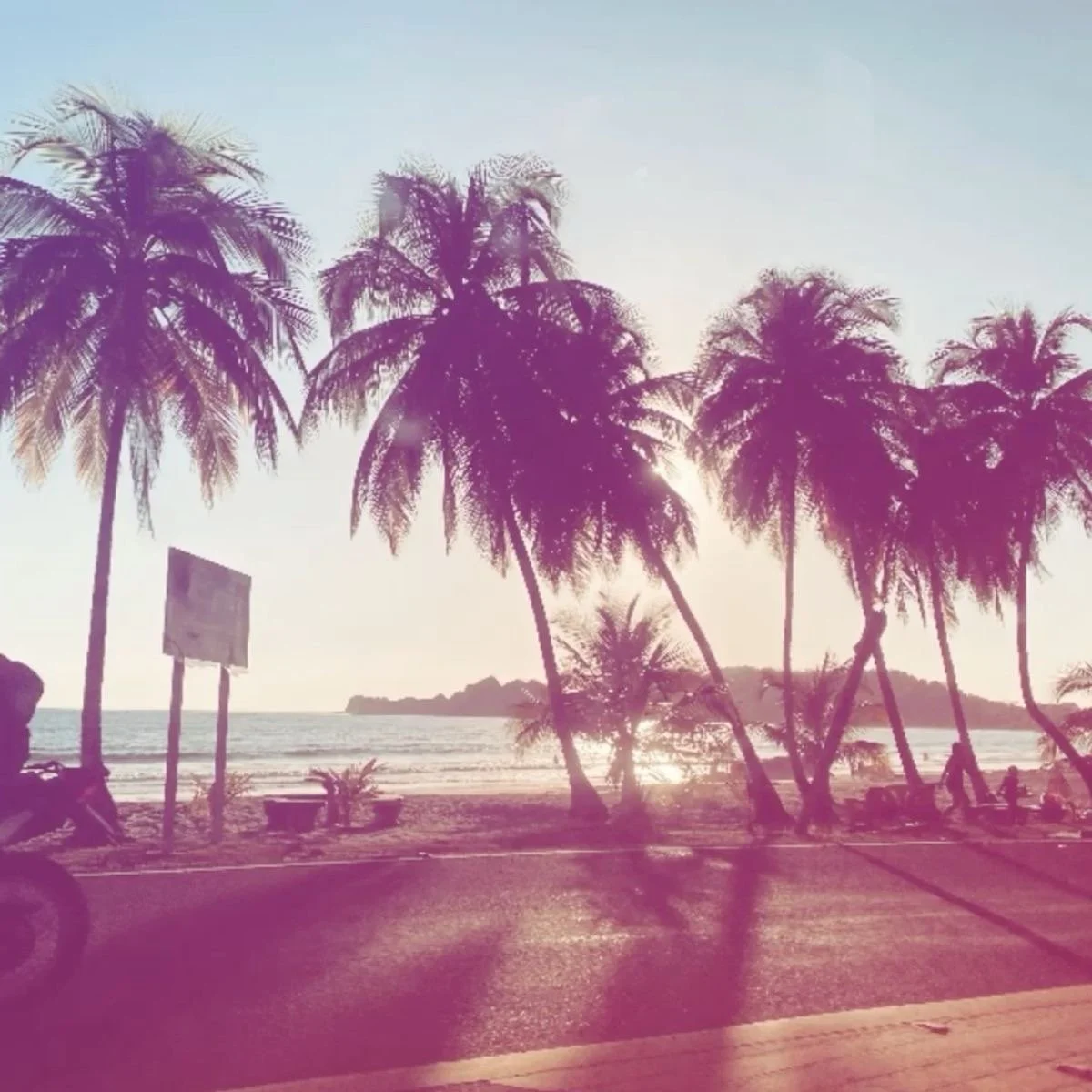
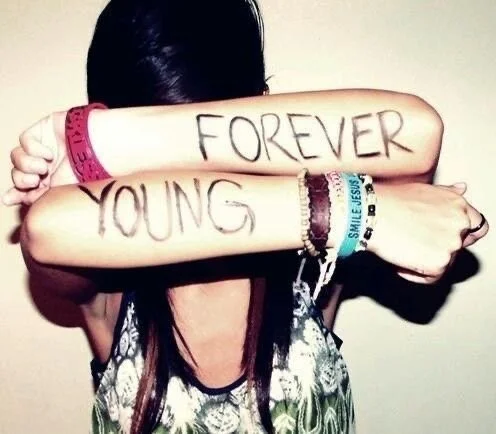
Look at those old photos now and the difference is brutal.
We weren’t more stylish. We were less careful.
Faces were not contoured into symmetry. Apartments were not color-coordinated. Lives were not edited into arcs of success and wellness.
People looked like they were living, not marketing themselves.
Somewhere between then and now, social media professionalized.
Instagram became an economy. Influence became labor. Personality became strategy.
Today, a feed is expected to function like a résumé. It must communicate taste, stability, ambition, relevance. Even leisure must look productive.
Instagram didn’t just change how we post.
It changed how we perform our lives.
That’s why this week’s flood of 2016 photos hits differently.
It’s not about the outfits. It’s about the atmosphere.
The old photos feel free in a way the present does not.
They show people before they learned to optimize themselves.
Before they knew which angles worked. Before they understood audience psychology. Before identity became a managed project.
In 2016, we posted badly and it didn’t matter.
Now, everything matters too much.
That is the real nostalgia.
The return of these photos is not sentimental. It is diagnostic.
It reveals how much the platforms have changed us.
We didn’t just upgrade cameras. We upgraded self-surveillance.
Instagram now operates closer to LinkedIn than a social network.
People network on it. Hire on it. Brand on it. Announce on it.
It is no longer a diary. It is a dashboard.
Which makes the sudden affection for our worst photos make perfect sense.
We are not missing the past.
We are missing the version of ourselves that existed before constant performance.
The person who posted without imagining an audience.
The person who didn’t know how to be impressive yet.
The purple filter wasn’t ugly.
It was innocent.
And that is what makes it feel beautiful now.